About Nick
A working class American who is lucky enough to chase his dreams for a little while
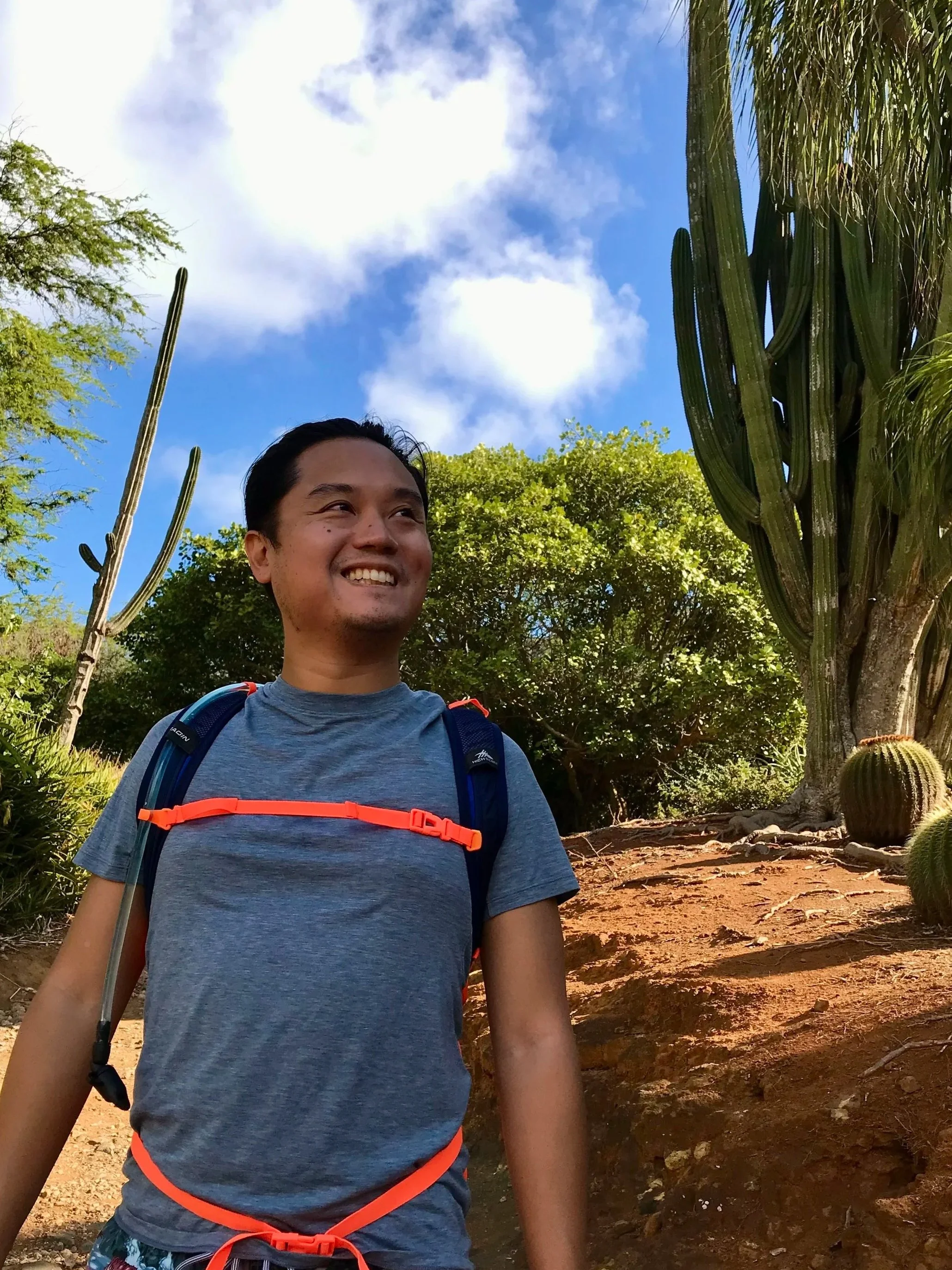
Nick Kiswanto
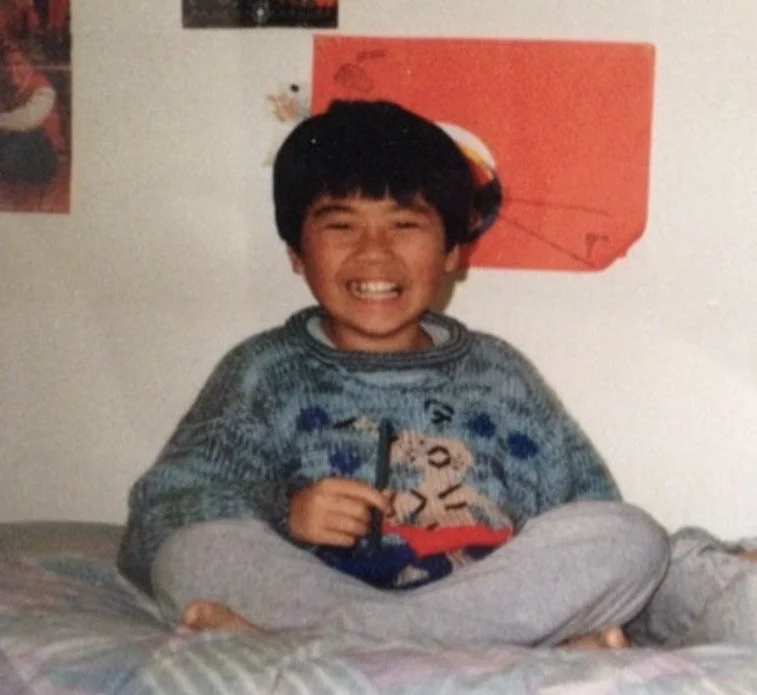
As a precocious 6 year old, Nick moved to America with his family of four. His mom and dad luckily found jobs quickly after moving and they became a working class family trying to achieve the American dream of giving a better life to their children. After about two years of living in a small two-bedroom apartment in Rowland Heights, the family was able to buy a house in the neighboring town of Diamond Bar, where Nick spent most of his childhood.
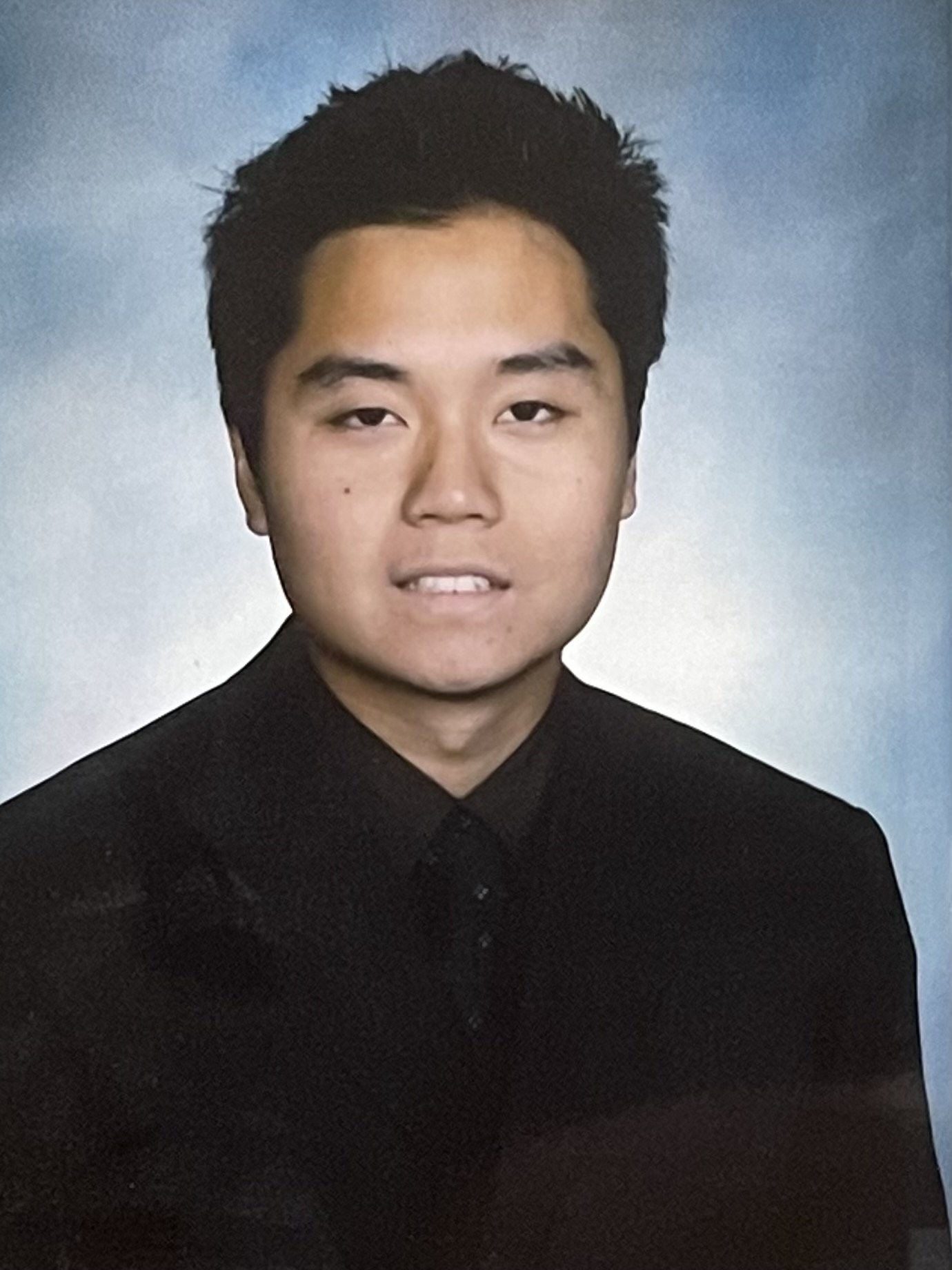
Nick always liked school, which was fortunately due to the many great teachers in his life; including, but not limited to, Mrs Hope, Mr Starzynski, Ms Hewitt, Mr Desmond, and Sra Buccola, with apologies to those I did not list here. The school district Nick was in had a great music program and so concert band, and then marching band became Nick’s core extracurricular activity. Performing on a football field in the drumline with the rest of the band and getting through Advanced Placement classes with the AP cohort fostered a great love of camaraderie in Nick.
Because he earned a National Merit Scholarship from the PSATs, Nick was able to attend the University of Southern California on a half-ride scholarship from 2001-2005 where he graduated with a B.S. in Computer Engineering with a minor in Economics. Nick enrolled in graduate school half-heartedly after graduation both because he really did not know what he wanted to do after graduation and also because he was encouraged to do so by his parents. When the United States Patent and Trademark Office offered Nick a job in 2007, he left graduate school early to start work as a patent examiner.
Although it was not his first career choice the patent office proved to be an ideal first employer for Nick. The workforce at the office was diverse and multicultural, pay raises were based on a performance schedule not office politics, and hours were flexible. Nick got to know the city of Washington D.C. during his time there and he even went to President Obama’s first inauguration. One of the most unique things at the patent office was the remote work program, which had already begun by the time Nick started working at the office.
By 2014 said remote work program was quite extensive and it allowed examiners to live anywhere in the continental United States without having to report back to the Alexandria, VA office. Taking advantage of the robust remote work program, Nick moved to Brooklyn, NY in 2014, finding a one-bedroom apartment in a Polish family’s home in the neighborhood of Greenpoint. Later that year Nick achieved the title of Primary Patent Examiner, which enabled him to examine a patent application from beginning to end without having to get supervisor approval for some written actions. That meant having a complete understanding of section 35 of the United States Code, which governed patent law in the country, and how to apply said law to daily examination practice. Besides learning how to read, analyze, and apply federal laws, the patent office gave Nick the appreciation that a functioning government required the daily participation of good actors within the governmental workforce. Without patent examiners and the rest of the patent office making fair decisions, the way of life that people are accustomed to would quickly change. That truth is magnified in certain sectors of the federal government, as most of us have certainly felt in recent years.
Although Brooklyn and New York City at large offered many reasons to stay, Nick felt that the pace of life was starting to wear on him; and so when an opportunity to work remotely in Hawaii came up, Nick made the leap to O’ahu in 2019. Continuing the family tradition of having the good luck to land on one’s feet in a new land, Nick found a home in the neighborhood of Kaimuki. With its walkability, balance between town hustle and country charm, and convenient location to most of the island, Kaimuki was about as perfect a landing spot as Nick could have hoped for.
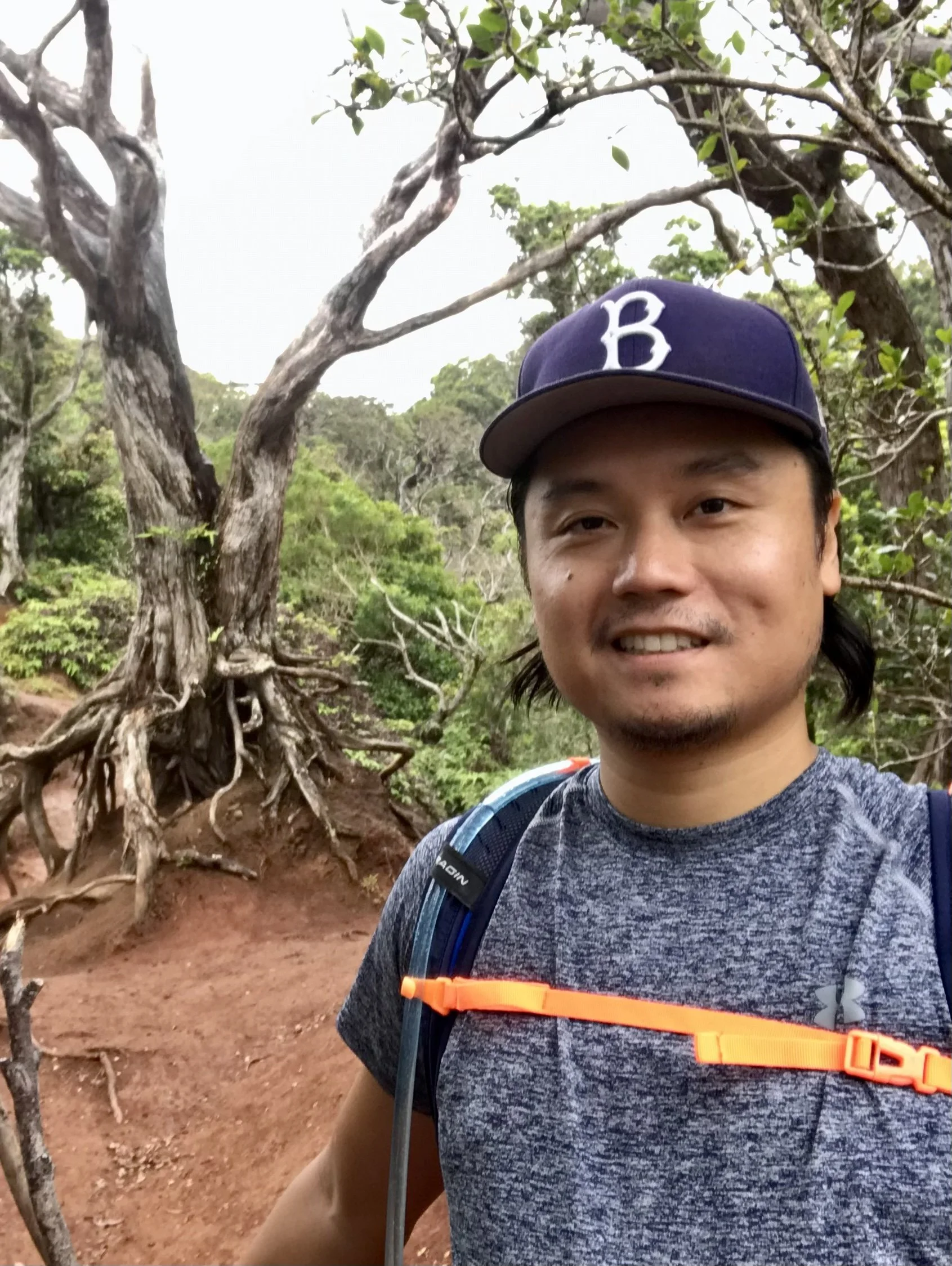
And then the pandemic happened. After the initial shock and panic subsided, Nick settled into a quiet life of examining patents (which kept going full time due to the remote nature of the work), exploring pandemic hobbies, and hiking the many trails on the island.
When society mostly opened up again Nick started taking flight lessons. He felt that he had reached a plateau in patent examining and needed something that could feed his sense of accomplishment. Earning a private pilot license was quite the milestone for Nick; he learned a new skill, another dimension of responsibility, and found a local community, all while having fun.
A major life event at the beginning of 2023 pushed Nick to seriously consider how he was going spend the rest of his life. Although the patent office was a good place to work, different administrations taking over executive decisions every four years hindered real progress at the office. What had been the #1 place to work in the federal government in the mid 2010’s slid into a mediocre middle by 2023 and was quickly declining further. Pay stagnated due to congressional inaction and the large budget of the office was squandered on superficial contracts instead of rewarding the heart of the office for keeping things running almost perfectly during the pandemic. Additionally, being a patent examiner was not Nick’s true calling even though he was quite good at it. So he put together an exit strategy from the office and formally separated from federal service in Spring 2024.
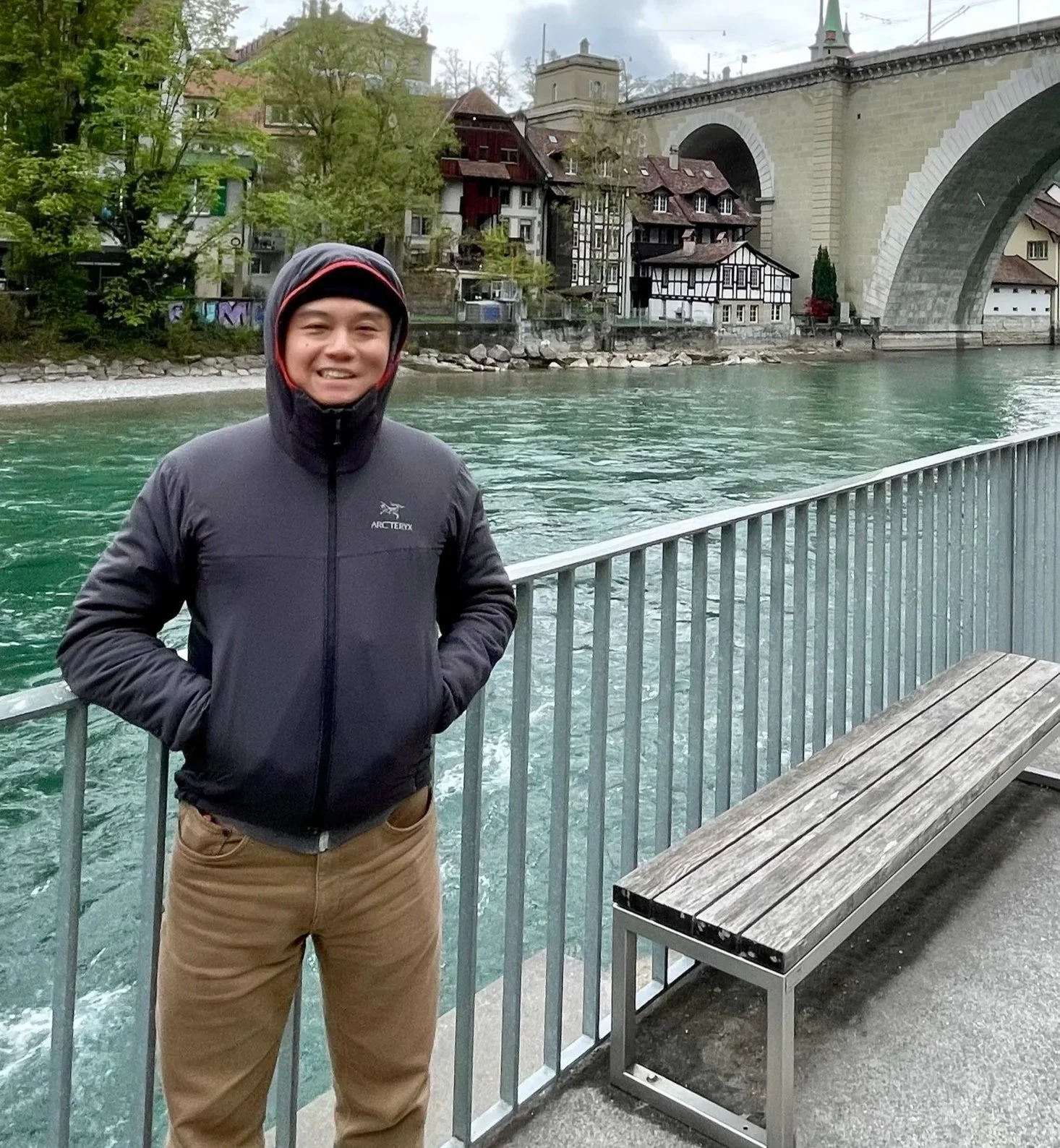
After taking the long European tour that he had dreamed of for years, Nick tried to make a living as an artist in woodworking and drawing. Joshua Bowles at Lyric Woodwork was kind enough to take Nick on as a helper without any prior experience, but the time was not right for Nick to take on a full time role at the sawmill/woodshop.
Trump’s second election in the Fall of 2024 was a setback for Nick’s artistic progress. After living through the lies that got American soldiers stuck in the quagmire of Iraq, the erosion of our rights that included the PATRIOT Act, the Citizens United Supreme Court decision, the dismantling of Occupy Wall Street, the “your turn/my turn” politics of the 2016 Democratic Primary, the first Trump election and subsequent coverup of its suspicious circumstances, the packing of the Supreme Court with lifetime appointments of partisan ideologues, the lack of accountability for the actors of the January 6th insurrection, and general fecklessness of most of our politicians; a 34 count convicted felon being elected to president for a second time put Nick in a very pessimistic state about the future of his life in America.
It was shortly into Trump’s second term in 2025 when Nick saw his representative to Congress Ed Case being one of only four Democrats to vote for the SAVE Act, which is a voter suppression measure that further advances the despicable agenda of the current Trump administration. To briefly summarize the SAVE Act, it would require Americans to additionally provide a birth certificate or passport when registering to vote, on top of the requirements already in place. The new requirements would be a problem because many people do not have their birth certificate readily available; and even if they did, married women who changed their last names would be ineligible because their current name would not match their birth certificate name. Passports are also a problematic requirement because for people who do not have passports they cost $165 and a few weeks to acquire. There is nothing wrong with our current voting requirements; undocumented immigrants and green card holders do not risk their status by trying to vote illegally. The SAVE Act is merely the latest in the long tradition of voter suppression by the pro-slavery forces of America that started with the 3/5 Compromise. After passing the House thanks to Ed Case, the SAVE Act is currently being used by the president as a political football to further his attack on the American people (as of April 6).
Ed Case’s support of the SAVE Act spurred Nick to take action beyond mere voting. Given Hawaii’s primary voting rules and relative lack of participation in the primaries, Nick saw an opportunity to make locals aware of the importance of voting in the primaries and to remove Ed Case, who clearly does not represent our interests, from office.
Nick may not be a career politician, but in this political climate that might not be such a bad thing. America’s government was envisioned as a stewardship by regular citizens who represented their community’s interests for some time until eventually passing down the position, hopefully in better condition than when they took it. The current model of permanent career politicians has made corporate and privileged interests the priority at the cost of everyone else’s interests. Nick feels like we the people can take a step or two towards restoring the balance of interests if only we all worked together and exercised our voting privileges wisely. By not taking any private donations, Nick will not be compelled to weigh the needs of a donor against the rest of the community, nor will he have to spend time fundraising instead of representing the needs of the community. Nick truly believes we can create a better life for ourselves with just a small investment of our time.
Candidate